







Search Results for: Clifton Mount Estate
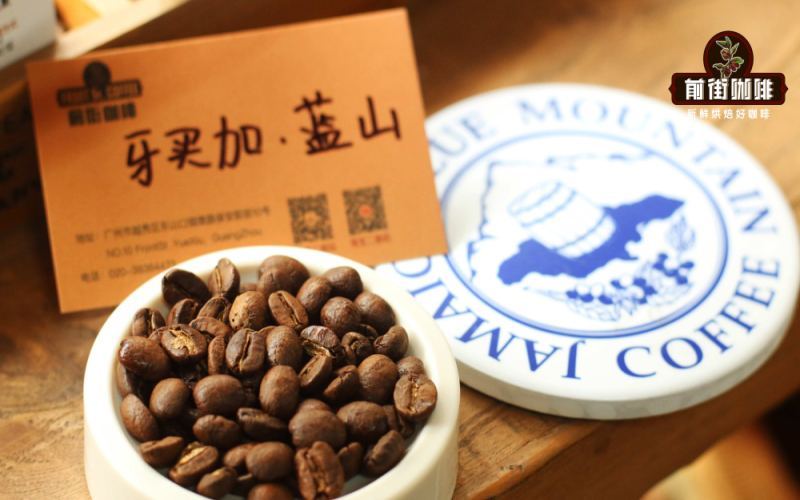
Where Does the Balanced Flavor of Jamaican Blue Mountain Coffee Come From? An Analysis of Clifton Mount Estate's Characteristics and Brewing Key Points
Jamaican Blue Mountain coffee is renowned for its exquisite balance of acidity, body, and aroma, and Clifton Estate, as one of the oldest surviving coffee estates on the island, shapes a rounded, smooth cup with subtle floral notes through its high altitude, volcanic soil, and unique washing process. This article systematically reviews the core information of Front Street Blue Mountain No. 1, from the estate's history, green bean grading, and roasting curve to cupping flavors, and provides brewing parameters for drippers such as V60 and KONO. Finally, it offers methods for identifying authentic versus fake Blue Mountain coffee across four dimensions—appearance, grind, aroma, and mouthfeel—helping coffee enthusiasts fully understand the value of this classic bean. [more…]
Jamaica Blue Mountain No. 1 Clifton Estate: A Complete Analysis of History, Terroir, and Flavor
Jamaican Blue Mountain coffee, with its exquisite balance of aroma, body, and acidity, is regarded by many connoisseurs as one of the world's top coffees. What truly makes Front Street Coffee's Jamaican Blue Mountain coffee unforgettable, however, is its round, sweet finish. This article will take you deep into the regulatory system behind Blue Mountain coffee, as well as Clifton Estate—one of the oldest coffee estates still in operation in Jamaica. From its cultivation origins in the mid-eighteenth century, to the pastoral memories written by Marianne Ross, to the current state of the Sharp family's stewardship and its cupping performance, we will present a complete picture of this 4,300-foot estate's historical trajectory and flavor characteristics, and introduce the flavor profile details of Front Street Coffee's Clifton Farm Blue Mountain coffee. [more…]
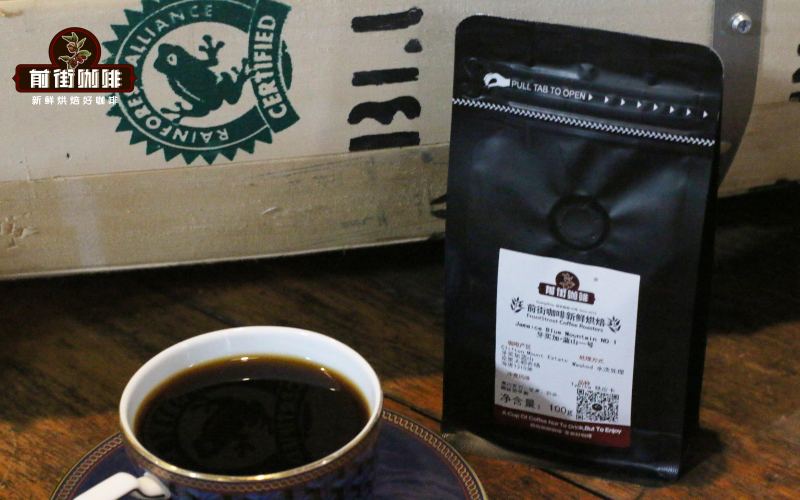
Jamaica Clifton Estate Blue Mountain Coffee Pour-Over Guide: How to Brew a Blue Mountain Flavor Without Acidity
Jamaican Blue Mountain Coffee is one of the earliest specialty coffees widely known in China, beloved for its smooth, balanced body and low acidity. Front Street Coffee takes Clifton Estate as a starting point to provide a detailed introduction to Jamaican Blue Mountain Coffee's origin classification, estate production processes, CIB certification and grading standards, as well as the flavor characteristics and pour-over parameters of Front Street Blue Mountain No. 1 Coffee. The article also shares how to use a KONO dripper, 88°C water temperature, and a three-stage pouring method to extract a mellow, balanced Blue Mountain Coffee with soft acidity, helping coffee enthusiasts recreate café-quality results at home. [more…]
A Complete Analysis of Jamaica Blue Mountain's Four Major Estates: The Flavor and Craftsmanship of Clifton Estate Blue Mountain No. 1 Coffee Beans
Jamaican Blue Mountain coffee is globally recognized as a representative of specialty coffee, but beans that truly earn the name "Blue Mountain" are extremely rare, with annual exports of only about 900 tons. This is largely due to the strict control by the Jamaican Coffee Industry Board (CIB) over production regions, varieties, and grades. This article focuses on Jamaica's four major Blue Mountain estates, with particular attention to Clifton Estate, the oldest and the only one to obtain Rainforest Alliance certification, analyzing the cultivation, processing, and grading standards of its Blue Mountain No. 1 coffee beans. At the same time, Front Street Coffee will share its roasting approach and pour-over parameters for these beans, letting you experience the classic Blue Mountain flavors of chocolate, nuts, and creamy sweetness. [more…]

Analysis of Flavor Differences Between Blue Mountain Geisha and Blue Mountain No. 1: Cupping and Brewing of Clifton Estate's Innovative Creation
In 2020, Jamaica's Clifton Estate did something that broke with tradition—it planted Geisha in the Blue Mountain region. This rare lot of Blue Mountain Geisha was washed-processed and exported in wooden barrels, and Front Street Coffee obtained it right away and completed the roasting and cupping. This article covers the estate's history, the motivations behind this Blue Mountain innovation, the origins of the Geisha variety, the processing method, the roasting curve, and the brewing parameters, offering a complete breakdown of this coffee's flavor expression and answering how it differs in taste from the classic Blue Mountain No. 1, providing coffee lovers with a detailed tasting reference. [more…]
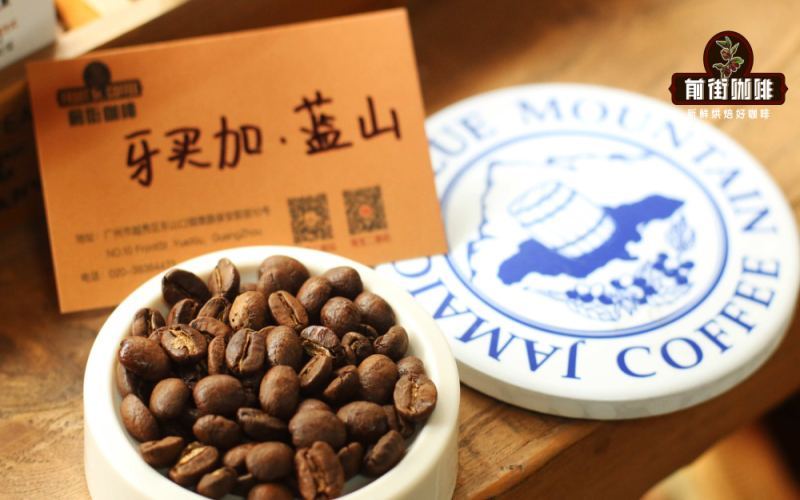
The Benchmark of Jamaican Blue Mountain Coffee: A Comprehensive Analysis of Clifton Estate's History, Certification, and Front Street Roasting & Brewing
Blue Mountain coffee occupies a special place in the hearts of many coffee lovers, thanks to its exquisite balance of aroma, body, and acidity, along with its signature rounded sweetness. This article begins with the grade classifications of the Jamaica Coffee Industry Board (CIB), sorts out the four administrative districts of the authentic Blue Mountain growing region, and focuses on an old estate that is still in operation today—Clifton Mount Estate—including its historical evolution, plot divisions, "Rainforest" certification, and estate archives. The article also presents the bean source and roasting approach used for Blue Mountain No. 1 sold by FrontStreet Coffee, as well as the extraction parameters and three-stage pouring technique for pour-over in-store, helping readers fully understand the origins and flavor performance of this bean. [more…]
Jamaica Blue Mountain Geisha vs. Classic Blue Mountain: A Comparative Analysis of Natural Processing and Clifton Estate Innovation
In 2020, Jamaica's Clifton Estate broke the decades-old tradition of Blue Mountain coffee, not only launching sun-dried Blue Mountain on a large scale, but also cultivating and exporting the Geisha variety for the first time. This batch of Blue Mountain Geisha was packaged in wooden barrels, produced in scarce quantities, and carries Rainforest Alliance certification. This article will present Front Street Coffee's exploration of this innovative batch in full, from the estate's history, the origins of the Geisha variety, the washed processing method, and the roasting curve, to cupping and brewing insights. Just what kind of flavor will the combination of Blue Mountain and Geisha bring? How does one choose between the traditional Blue Mountain taste and Geisha's floral aroma? Let us taste and see together. [more…]
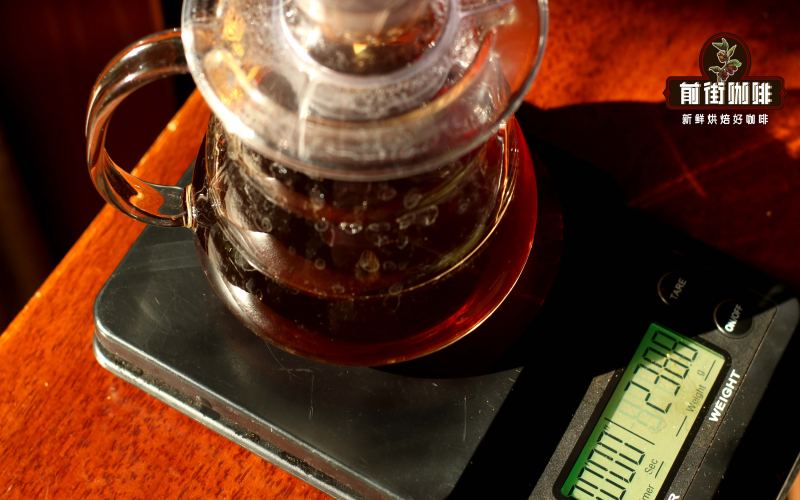
A Complete Analysis of the Origin and Flavor of Jamaican Blue Mountain Coffee: The Characteristics of Clifton Estate Typica Beans
Jamaican Blue Mountain coffee is globally recognized as the benchmark for specialty coffee, its unique flavor and strict estate certification system having forged its legendary status. This article begins with the historical origins of Blue Mountain coffee, sorting through the geographical conditions of the Blue Mountain range, the certification standards of the Jamaica Coffee Industry Board, and the unique characteristics of Clifton Estate as the oldest Blue Mountain producing region. At the same time, we will take a deeper look at the Clifton Estate Blue Mountain No. 1 coffee beans selected by Front Street Coffee, comprehensively analyzing the flavor code of this top-tier Arabica coffee—from variety, processing method, roasting curve, and cupping performance—and providing KONO dripper brewing parameters for reference. [more…]
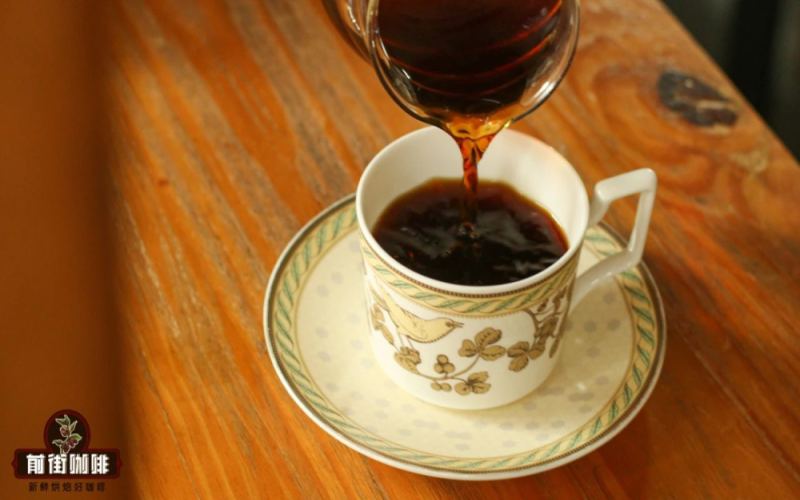
Jamaica Stony Estate Blue Mountain Coffee Pour-Over Guide: Why It Doesn't Show Acidity and the Correct Brewing Method
Jamaican Blue Mountain coffee, as one of the earliest widely recognized specialty coffees in China, is renowned for its balanced and smooth taste. Only about 900 tons of premium Blue Mountain are exported each year, mainly from four major estates. This article takes Clifton Mount Estate as an example to explain in detail the cultivation, processing, grading, and transportation of Blue Mountain coffee, and focuses on the background of Stony Hill Estate. At the same time, Front Street will share the pour-over parameters and techniques for Blue Mountain No. 1, including key details such as the KONO dripper, 88°C water temperature, and three-stage pouring, to help you brew the classic Blue Mountain flavor that is not sour but mellow and balanced at home. [more…]
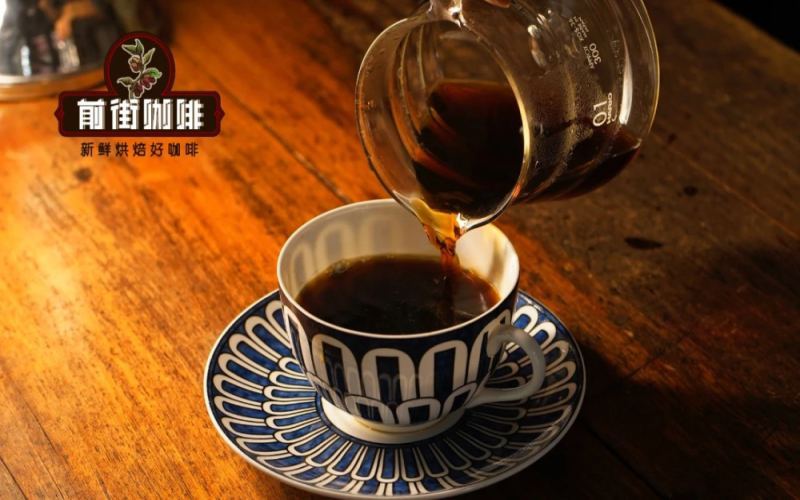
The Origins and Development of Jamaican Blue Mountain Coffee, and an Analysis of Clifton Estate's Distinctive Features
Jamaican Blue Mountain coffee is globally recognized as a representative of specialty coffee, renowned for its clean, mild flavor and scarce production. This article will trace the development of Blue Mountain coffee from its introduction to Jamaica in the 18th century, the origin of the Blue Mountain range's name, to the establishment of the Coffee Industry Board (CIB) certification system, and will focus on the Clifton Mount estate selected by FrontStreet Coffee—the highest-altitude and oldest single estate in the Blue Mountain region, holding Rainforest Alliance certification and adhering to traditional washed processing and the Typica variety. It will also analyze its cupping flavor profile, roasting curve, and KONO brewing parameters, helping coffee enthusiasts gain a comprehensive understanding of the unique value of authentic Blue Mountain coffee and new market trends. [more…]
Jamaica Clifton Estate Blue Mountain Coffee: An Analysis of Origin Terroir, Processing Methods, and Variety Characteristics
Jamaican Blue Mountain coffee is renowned worldwide, and Clifton Estate, as one of the oldest coffee estates in the country, holds a pivotal position in the Blue Mountain coffee landscape. Front Street Coffee provides an in-depth analysis of Clifton Estate's origin terroir, cultivation history, Blue Mountain grading standards, and certification system, and shares washed processing techniques, roasting curves, and brewing parameters to help coffee enthusiasts gain a comprehensive understanding of authentic Blue Mountain coffee's flavor characteristics and identification methods. [more…]
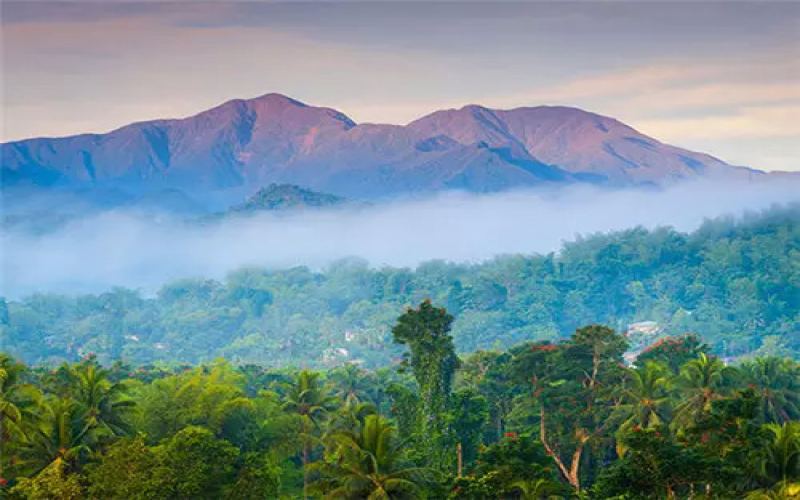
Jamaica Blue Mountain Coffee Variety Analysis: From Typica Origins to Clifton Estate Flavor and Brewing Guide
What variety exactly is the world-renowned Jamaican Blue Mountain coffee? Where does its distinctive flavor come from? This article will start with the varietal origins of Blue Mountain coffee, trace how Typica became integrated into Jamaica's terroir, and provide a detailed introduction to the origin and grading standards of Blue Mountain No. 1, the history and environmental philosophy of Clifton Estate, the washed processing method, as well as Front Street Coffee's roasting and brewing recommendations for Blue Mountain coffee. Whether you are a beginner just getting into specialty coffee or a seasoned enthusiast eager to delve deeper into Blue Mountain's flavor, you will gain complete and practical information from this article. [more…]
The Origin, Development, and Flavor Analysis of Jamaican Blue Mountain Coffee: From Historical Context to Front Street Coffee Roasting and Brewing Practices
Why has Blue Mountain coffee become one of the world's recognized top coffees? What historical and institutional logic lies behind its high price? This article begins with the cultivation origins of Jamaican Blue Mountain coffee, tracing its dramatic industrial development over more than two centuries, interpreting key milestones such as the CIB grading management system and Japan's preferential purchasing rights, and providing an in-depth introduction to Clifton Mount Estate's production philosophy and processing techniques. At the same time, drawing on Front Street Coffee's Blue Mountain No. 1 roasting approach and cupping performance, it shares the pour-over parameters and brewing key points for medium-dark roasted Blue Mountain beans, helping coffee lovers fully understand the flavor code of this classic coffee. [more…]
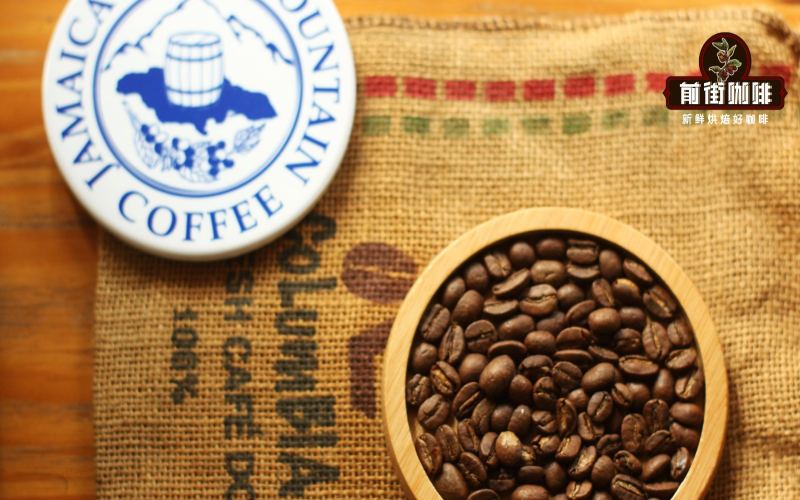
Jamaican Blue Mountain Coffee Beans | An Introduction to the Grading and Flavor Characteristics of Jamaica Blue Mountain No. 1 Coffee Beans
Blue Mountain coffee is very famous, but there are also frequent rumors that only Japan has genuine Blue Mountain coffee beans—a tale from over twenty years ago. Jamaica Blue Mountain Coffee, the Jamaica Coffee Industry Association (Coffee I [more…]
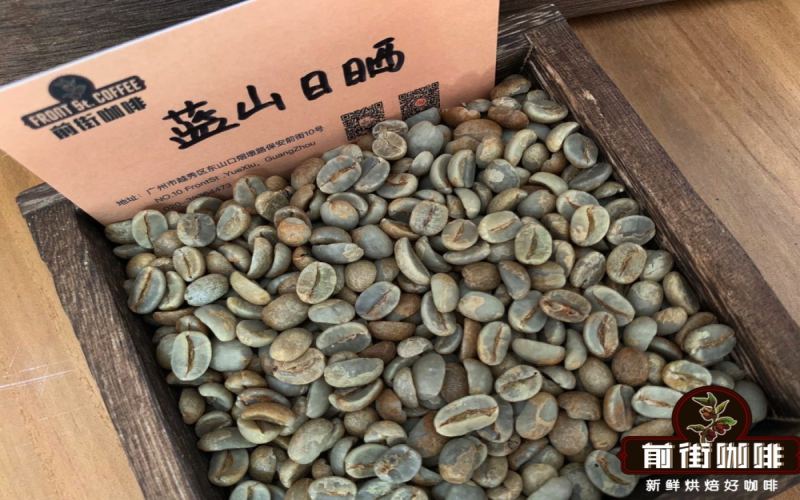
In-Depth Analysis of Clifton Mount Blue Mountain Geisha: Green Bean Grading Rules and Flavor Cupping Comparison
In 2020, the news that Clifton Mount Estate was launching a Blue Mountain Geisha sparked heated discussion in the coffee community: if Geisha is grown in the Blue Mountain region, does it still count as Blue Mountain coffee? This article first introduces readers to the terroir of authentic Blue Mountain, the grading standards from NO.1 to NO.3 and PB peaberry, and the estate's cultivation history and Rainforest Alliance certification; then Front Street Coffee will compare Blue Mountain Geisha and traditional washed Blue Mountain one by one, from variety origin, roasting curve, and cupping performance to V60 brewing, clearly presenting the differences between the two in floral aroma, nuttiness, and body. If you want to understand whether this innovative bean is worth trying, you may find the answer in this article. [more…]
Jamaica Clifton Estate and Blue Mountain No. 1: A Full Analysis of Origin, History, Roasting, and Pour-Over Flavor
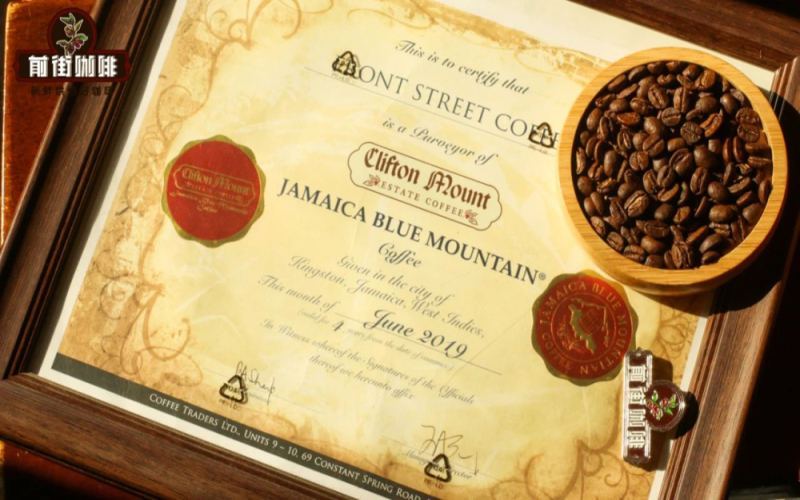
Jamaican Blue Mountain coffee, with its exquisite balance of aroma, body, and acidity, along with a unique round sweetness, has long been regarded by many coffee lovers as the epitome of top-tier coffee. The Blue Mountain region is strictly regulated by the Jamaica Coffee Board (CIB): only beans that meet the standards within specific administrative areas may bear the Blue Mountain name, and Blue Mountain No. 1 is the most commonly seen grade on the market. Among the many estates, Clifton Mount Estate is an ancient origin that is still in operation today, and it is also the only farm in Jamaica to obtain Rainforest Alliance certification. The Blue Mountain No. 1 sold by Front Street Coffee comes from this estate, and is roasted at a medium-dark level and brewed with a lower water temperature to showcase a balanced flavor of dark chocolate, nuts, and creamy smoothness. This article will provide a complete introduction to the grading of the Blue Mountain region, the history and current status of Clifton Estate, and Front Street's roasting approach and pour-over parameters. [more…]
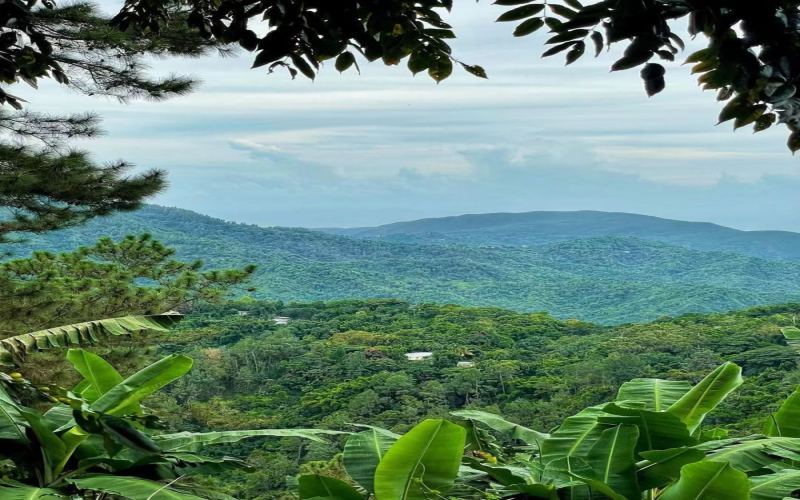
Jamaica Clifton Estate Blue Mountain No. 1 Coffee: A Comprehensive Analysis of Origin Characteristics, Grading Standards, and Flavor Roasting
Jamaican Blue Mountain coffee is hailed as the king of coffees, and Clifton Estate is one of the most iconic and historic estates in the Blue Mountain range. Front Street Coffee has long followed and purchased Blue Mountain No. 1 coffee beans from Clifton Estate. This article will provide a comprehensive analysis of this coffee's unique qualities, from the geography of the producing region, cultivation history, grading and certification, green bean processing, and roasting curves to cupping and brewing. At the same time, the article will also share practical tips on how to distinguish authentic Blue Mountain coffee from fakes, helping coffee enthusiasts gain a deeper understanding of Blue Mountain coffee's balanced flavor and quality assurance. [more…]
Jamaica Blue Mountain Coffee Grading and Flavor Characteristics: Front Street Coffee Explains Clifton Mount Estate Blue Mountain No. 1
Blue Mountain coffee holds a legendary status in the hearts of many coffee lovers; many have heard its name resoundingly long before ever tasting it. Unlike the coffee varieties popular today, Blue Mountain coffee pursues a harmonious balance among acidity, sweetness, and bitterness, with a rich, smooth mouthfeel. The formation of this unique flavor is inseparable from the exceptional natural environment of Jamaica's Blue Mountain region. This article will systematically introduce the origins of Blue Mountain coffee, the Jamaica Coffee Board's strict grading standards, and the scarce position of Blue Mountain No. 1 in the global market. At the same time, Front Street Coffee will share the cupping flavor profile and brewing parameters of Clifton Estate Blue Mountain No. 1, helping readers gain a comprehensive understanding of the true character of this classic top-tier coffee. [more…]
Why Is Jamaican Blue Mountain Coffee So Expensive? A Full Analysis of Its Origin Estates and Brewing Flavor
Jamaican Blue Mountain coffee has long remained at the pinnacle of specialty coffee, thanks to its strict regulatory system and unique terroir. From its introduction in the 18th century to the present day, the high altitude, volcanic soil, and foggy, rainy climate of the Blue Mountains have together shaped the classic flavor of Blue Mountain coffee, with its balance of acidity, sweetness, and bitterness. This article will explore the historical origins of Blue Mountain coffee, its grading system, the evolution of its processing methods, and the cultivation and processing details of Clifton Estate, while also presenting Front Street Coffee's roasting approach, pour-over parameters, and SOE extraction recommendations for Blue Mountain No. 1 coffee, helping coffee enthusiasts gain a comprehensive understanding of the charm of this legendary bean. [more…]
A Comprehensive Analysis of Jamaican Blue Mountain Coffee: Origins, Grading, and Pour-Over Parameters
In the specialty coffee wave, Geisha is currently all the rage, but when it comes to historical status and public recognition, Jamaica Blue Mountain is always a name that cannot be avoided. This coffee, once repeatedly mentioned in Hong Kong and Taiwan dramas, what exactly made it the king in the hearts of a generation? This article starts with the terroir conditions of the Blue Mountain producing region, sorts out the historical context of the Typica variety's introduction to Jamaica, explains in detail the grading system of the Jamaica Coffee Industry Board based on altitude and screen size, and introduces the business story of Clifton Mount Estate. Finally, Front Street Coffee will disclose the pour-over extraction recipe for Blue Mountain No. 1, including dripper selection, water temperature, coffee-to-water ratio, and pouring rhythm, to take you back to that classic flavor with balanced acidity, sweetness, and bitterness, as silky as cream. [more…]